Irrigation System Repair: 9 Signs Your Sprinklers Need Service in Murfreesboro, TN
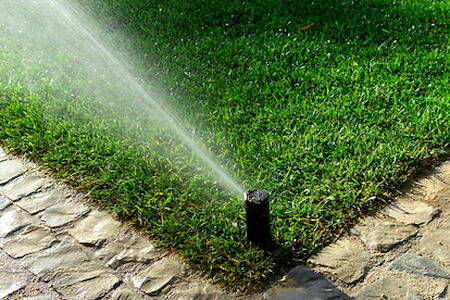
If you need irrigation repair in Murfreesboro, TN, you are not alone. Hot summers, clay soils, and seasonal storms can wear out even a well-built system. When you see trouble, fast help matters. Our irrigation repair in Murfreesboro, TN gets your lawn back on a healthy schedule with proper pressure, coverage, and timing. Small irrigation issues become costly water waste if left alone.
Why Irrigation Repair Matters In Murfreesboro, TN
Murfreesboro lawns face long, warm summers and quick spring downpours. Soil in many neighborhoods like Blackman, Barfield, and Indian Hills tends to be heavier clay, which holds water after storms but dries hard in July heat. That swing can push sprinkler heads out of level, crack fittings, and confuse rain sensors. Repairing problems early protects your turf, shrubs, and foundation beds while keeping water use in check.
9 Signs Your Sprinkler System Needs Service
Watch for these warning signs on properties across Rutherford County, from Cason Lane to Walter Hill. If you notice any of the following, schedule a professional inspection before peak summer heat:
- Sprinkler heads not popping up or failing to retract after a cycle
- Uneven coverage with dry patches beside soggy spots
- Misting instead of steady streams, which points to high pressure or worn nozzles
- Leaking valves, wet valve boxes, or constant puddles around the manifold
- A controller that resets, skips zones, shows errors, or ignores rain delays
- One zone stuck on or never turns on, often due to wiring or a solenoid issue
- High water bills that do not match your normal seasonal use
- Gurgling, hissing, or water hammer noises during or after a cycle
- Spray hitting fences, driveways, or the street rather than your grass and beds
Common Causes Our Technicians See
Symptoms can overlap. A trained irrigation specialist looks at water pressure, hydraulics, wiring, and how each zone is built. Below are common problem areas that lead to the signs above.
Controller Troubleshooting
Controllers can lose time after brief power dips, especially during spring storms. Old batteries, corroded terminals, or a failing transformer lead to blank screens and skipped runs. Rain sensors and smart add-ons sometimes fight each other and lock out watering. Never open electrical panels or splice wires unless you are licensed. A pro can test outputs, isolate faulty modules, and recalibrate seasonal adjustments without risking further damage.
Leaking Valves And Fittings
Valve boxes should be dry between cycles. Constant moisture usually points to a stuck valve, cracked housing, or weeping union. Roots can lift lids and pinch lateral lines, while freeze-thaw cycles can split fittings near driveways and sidewalks. Left alone, slow leaks saturate clay soils and can cause settling along edges of patios and walkways.
Sprinkler Heads Not Popping Up
Heads that stay low are often clogged with grit or mulch, or they are simply buried from settling soil. Pressure problems keep multi-stream rotors from engaging. In older systems, mismatched heads and nozzles on the same zone fight each other. A technician levels each head, replaces worn seals, and sets the right arc so water reaches lawn edges instead of hardscapes.
Uneven Coverage And Dry Spots
Healthy turf usually needs head-to-head coverage so every blade gets overlapping water. Tilted stems, blocked spray behind shrubs, and changed bed lines create gaps. Nozzles also wear out and change their pattern. A pro audit checks spacing, elevation, and nozzle type so each zone waters evenly without overspray onto streets.
Seasonal Stress Unique To Rutherford County
Spring storms can toss mulch and grit into heads. Summer brings long daylight and higher demand when many neighborhoods water before sunrise, and pressure can dip during those hours. Fall leaves cover pop-up stems so they never rise. Winter cold snaps stress backflow devices and shallow fittings. Schedule service before summer heat peaks in July and August so your system is tuned when your lawn needs it most.
How Professional Testing Finds Hidden Problems
Accurate diagnosis starts with system mapping. A technician identifies the water source, backflow location, and zone layout. Static and dynamic pressure are measured at the manifold and at sample heads. Each valve is isolated to confirm it opens and closes on command, then wiring is tested for continuity and shorts. Nozzles are matched to plant type and sun exposure so shrubs, beds, and turf each get the pattern they need.
After testing, your report outlines fixes in plain language. It may include leveling or replacing heads, renewing seals, swapping nozzles, resetting the controller schedule, and updating rain or soil sensors. If your system has grown over time, zones can be balanced so spray patterns match today’s beds and hardscapes rather than last decade’s layout.
Why Fast Repairs Save Water And Landscape Health
Water that misses the lawn is money lost. Overwatering in clay soil drowns roots and invites disease, while underwatering leaves hot, bare patches that weeds love. Quick repairs protect curb appeal and help the city’s water system by lowering peak demand. This is especially helpful in denser areas near downtown and neighborhoods off Veterans Parkway where many lawns run before sunrise.
- Prevents runoff that stains driveways and sidewalks
- Reduces weed pressure in thin turf along sunny edges
- Protects foundations and bed borders from washouts
Smart Settings For Local Weather Patterns
Our climate swings from cool, wet springs to hot, bright summers. A well-tuned controller uses seasonal adjustments, rain delays, and the right start times. Some homes benefit from cycle-and-soak to let water absorb in clay soils instead of running off. If your controller is older, an upgrade with sensor support can protect your beds during pop-up storms and speed recovery after heat waves. For homeowners searching for irrigation repair Murfreesboro, TN, reliable scheduling is a big part of long-term results.
When To Call An Irrigation Specialist
Call as soon as you see persistent wet ground, wide dry bands, or heads sitting below grade. These signs rarely fix themselves and usually point to pressure or mechanical problems underground. Do not ignore low water pressure across zones because it may signal a supply issue or a developing leak. A licensed technician can confirm the cause without damaging turf or hardscapes.
Related Lawn Services That Support Even Watering
Even coverage is easier when turf is healthy and edges are clean. If your grass is thin along curbs or shaded beds collect water, consider broader care that pairs well with repairs. Explore routine lawn care to help your system perform at its best through the seasons in Murfreesboro.
Ready For Reliable Watering?
Your lawn can bounce back with a tuned system and even coverage. Reach out to Wayman's Lawn Care Services LLC to schedule professional irrigation repair that restores pressure, patterns, and run times. The fastest way to protect your landscape is to schedule a repair visit now. Call us at 615-396-7019 and our team will book a convenient time to inspect your system, confirm the issue, and get your sprinklers working the way they should.
Let's Start Beautifying Your Yard